

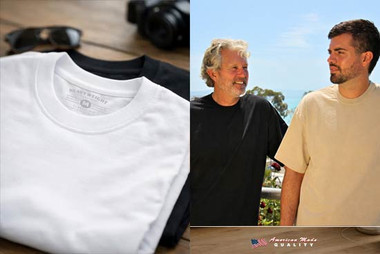
T Shirts That Hold Their Shape
Posted by HeavyTshirt.com on Apr 2nd 2026
A T-shirt can look great on day one and still be a bad buy. The real test comes after the wash, after a long workday, and after a few months in regular rotation. If you're tired of collars that bacon out, hems that twist, and bodies that turn short, you’re really looking for t shirts that hold their shape.
That kind of performance is not an accident. It comes from fabric weight, cotton quality, knit density, pattern consistency, and how the shirt is cut & finished. A lot of brands talk about softness first. That sounds nice until the shirt gets loose, thin, and tired-looking by the tenth wear. Shape retention is what separates a dependable everyday tee from a disposable basic.
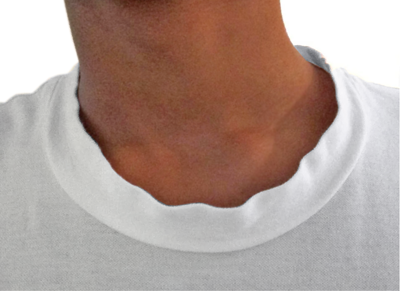
Don't Let This Happen To You!
What Makes T Shirts That Hold Their Shape Different
Start with the fabric. Lightweight tees often feel soft off the rack because there is simply less material there. Less material usually means less structure. Once you add body heat, movement, and laundering, that fabric has less resistance and tends to stretch out faster.
A heavier 100% cotton T-shirt has a better chance of holding its form because the knit has more substance. That doesn't mean every heavy tee is automatically good. It means the shirt begins with a stronger foundation. When the cotton is knit tightly and finished correctly, the body keeps its line better through the chest, sleeves, and length.
Construction matters just as much as weight. A collar should recover after being pulled over your head. Shoulder seams should sit clean and stable instead of drifting. The body should hang straight rather than torquing after a few wash cycles. Good shape retention comes from the full package, not one spec on a product page.
Why Fabric Weight Matters So Much
If you have ever worn a thin T-shirt that looked limp by noon, you already know the problem. Lightweight fabric drapes more, but it also exposes every weakness in the knit. It can stretch across the chest, sag at the neck, and lose that clean outline fast.
Heavyweight cotton behaves differently. It has more body, which helps the shirt keep a consistent fit during the day. It also tends to handle repeated washing better, especially when the fabric was built for long-term wear instead of shelf appeal.
There is a trade-off. A heavier shirt feels more substantial, and some people need a day or two to adjust if they’ve spent years in paper-thin basics. But for men who care more about durability, coverage, and a stable fit than a barely-there feel, that trade is worth it.
The Sweet Spot Is Structure, Not Stiffness
A shirt that holds its shape should not feel like cardboard. The goal is structure with comfort. Good heavyweight cotton softens over time without collapsing. It breaks in instead of breaking down as the cotton compacts more with each wash.
That distinction matters. Cheap shirts often get softer because the fabric is wearing out. Better shirts get more comfortable while still keeping their frame.
The Details Most Buyers Miss
The collar is usually the first thing to fail. A weak rib collar stretches, waves, or rolls long before the body of the shirt is finished. If the neckline looks sloppy, the whole shirt looks old, even if the fabric itself is still intact.
Then there’s shrinkage. Many buyers think shape loss and shrinkage are separate issues, but they’re closely related. When a shirt shrinks unpredictably, the proportions change. The body gets shorter, the sleeves sit differently, and the original fit is gone. That is why controlled sizing and no-shrink performance matter so much.
Side seams and cut consistency also deserve attention. A well-made shirt is cut to keep balance across the torso. If the pattern is off or the knit isn’t stable, you get twisting and uneven drape. That is one of the fastest ways a T-shirt starts looking cheap.
How to Spot a Tee That Will Keep Its Fit
You can tell a lot before you ever wear it. Pick up the shirt and feel the body. Does it have real substance, or does it go limp in your hands? Look at the collar. Is it firm and clean, or already loose on the hanger? Check the seams and hem for straightness and consistency.
Then read the product details with a little skepticism. Words like premium and soft are easy to throw around. More useful clues are fabric weight, 100% cotton content, shrinkage claims, fit options, and where the shirt is made. Brands that specialize in durable basics usually give clearer answers because they know their customers are buying for performance, not hype.
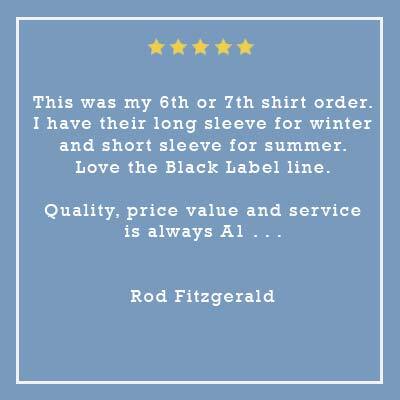
Reviews can help too, but the right kind of reviews matter. A five-star rating from someone who just opened the package tells you very little. What you want are comments from customers who mention repeat purchases, years of wear, collar retention, and fit after washing.
 |
 |
T Shirts That Hold Their Shape Need the Right Fit
Even the best fabric won't save the wrong cut. If a shirt is too tight through the chest or shoulders, the fabric is under constant strain and will lose shape faster. If it’s too loose and sloppy, it can look stretched even when it technically isn’t.
That is why fit-specific options matter. A classic fit works for men who want room and a clean straight hang. A pro fit usually suits those who want a closer silhouette without going thin or clingy. Tall sizing matters for men who are tired of shirts riding up or getting shorter after washing. Shape retention is not just about the fabric returning to form. It is also about starting with the right proportions for your build.
This is where specialist brands have a real advantage. When a company builds around heavyweight tees rather than treating them like one item in a giant catalog, the fit tends to be more consistent and the product details more honest.
How to Keep a Good T-Shirt Looking Good
Even the best-built tee benefits from basic care. Wash in cold or warm water, avoid overdrying, and don’t cook the shirt on high heat cycle after cycle. Excess heat is hard on cotton, collars, and stitching.
That said, a quality shirt should not require delicate treatment to survive normal life. If a T-shirt only holds its shape when you baby it, that is not real durability. A dependable everyday tee should be able to handle regular wear, regular washing, and still come back looking like itself.
Why Cheap Tees Cost More Over Time
A flimsy shirt can look like a bargain until you replace it three times. That cycle is familiar - buy a multipack, wear them for a few months, notice the necklines sagging and the length disappearing, then start over again.
A better T-shirt costs more upfront because more material, better construction, and tighter quality control cost more to make. But if it keeps its shape, keeps its size, and stays presentable far longer, the value is better where it actually counts - in real wear over time.
For customers who are done gambling on thin basics, that difference is easy to feel. A substantial cotton tee does not just look better on the first wear. It earns its place week after week because it stays reliable.
At Heavyweight Collections, that idea is the whole point. The shirt should feel substantial, fit right, and come out of the wash ready to do its job again.
If you want a T-shirt that still looks like your T-shirt after months of wear, stop shopping by softness alone. Start with weight, construction, and fit. That is how you find a shirt with real staying power - not one that peaks in the dressing room and quits by laundry day.