

What oz. Weight Is a Real Heavyweight T-Shirt?
Posted by Jay Durkee on Aug 10th 2016
Pick up a thin T-shirt and a real heavyweight one side by side, and the difference is obvious before you even put it on. If you have ever asked what is a heavyweight tee, the short answer is simple: it is a thicker, more dense cotton T-shirt built to hold its shape, wear longer, and feel more substantial than the average basic.
That sounds straightforward, but not every thick shirt earns the label. A true classic heavyweight tee is not just about feeling bulky and it shouldn't feel like a light sweater. It is about fabric weight, structure, durability, and how the shirt performs after repeated washing and everyday use. For people tired of clingy lightweight tees, stretched collars, and hems that twist out of shape, that difference matters.
What is a heavyweight tee made to do?
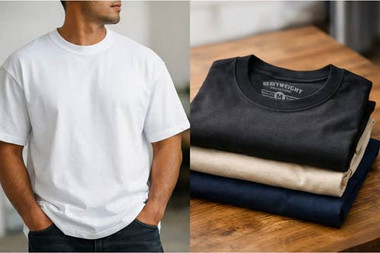
A heavyweight tee is built for dependable daily wear. The fabric is usually made from thicker cotton yarns and knit to create a structured dense body more than a standard tube T-shirt. That extra substance gives the shirt more presence on the body. It drapes with more structure, resists showing every line and bulge underneath, and feels more durable from the first wear.
In practical terms, heavyweight means the shirt is less likely to feel flimsy. It usually holds up better in the crew neck collar, sleeves, and body. It can take regular washing without turning into a limp version of what you bought. That is the main appeal. A heavyweight tee is not chasing trend fabric or paper-thin softness that disappears after three laundry cycles. It is built to last.
Most heavyweight tees are measured by fabric weight in ounces per square yard. While there is no single legal cutoff, many standard lightweight tees fall around 4 to 5 ounces. Heavyweight tees often start around 7 ounces and go up from there. Once you get into that range, you usually notice a more solid hand feel, better opacity, and a stronger overall shape.
Fabric weight matters, but it is not the whole story
People often reduce the question of what is a heavyweight tee to one number. Ounces matter, but they are only part of the picture. Two shirts can carry a similar weight and still wear very differently.
The cotton itself makes a difference. A 100% cotton heavyweight tee tends to have the classic dry, sturdy feel many customers want. The knit matters too. A tighter knit can make a shirt feel stronger and smoother, while a looser knit can feel softer but less stable over time. Yarn quality, finishing, and cut all affect how the shirt performs once it leaves the shelf and starts living in your weekly rotation.
Construction matters just as much. A heavyweight shirt should have a collar that stays put, seams that do not twist, and a body that keeps its intended shape. If the fabric is thick but the construction is weak, it will still let you down. Weight without integrity is just extra cotton.
How a heavyweight tee fits differently
One reason people stay loyal to heavyweight T-shirts is the fit. Heavier fabric naturally changes how a shirt sits on the body. Instead of clinging or collapsing, it has more structure. That means a cleaner silhouette and a more dependable look through the chest, shoulders, and torso.
For some guys, that translates to a shirt that feels more flattering. For others, it simply feels more secure. If you are taller, broader, or harder to fit, lightweight tees often expose every sizing problem at once. They ride up, stretch out, or shrink into the wrong proportions. A well-made heavyweight tee is more likely to maintain its intended measurements and give you a better fit over time.
That does not mean every heavyweight tee fits the same. Some are cut with a classic, roomier shape. Some have a closer professional fit. Some are built longer for tall sizes. The fabric gives the shirt its substance, but the style and pattern determines whether it works for your build.
Why people switch from standard tees
Most people do not start searching for heavyweight tees because they want something flashy. They do it because regular T-shirts keep failing them. The common complaints are always the same: the fabric is too thin, the crew neck gets bacon-necked, the shirt shrinks after washing, or the body loses shape too fast.
A heavyweight tee answers those problems directly. It gives you better coverage, more durability, and a stronger feel. It also tends to look more finished on its own, which means you can wear it without layering and still look put together. That matters if a T-shirt is not just gym clothes for you but a real part of your everyday wardrobe.
There is also a value argument here. A cheaper lightweight tee may cost less upfront, but if it loses its shape quickly, it is not actually a better buy. A premium heavyweight tee often earns its keep by lasting longer, fitting better, and staying in rotation instead of getting demoted to rag status after a few months.
What is a heavyweight tee good for?
A good heavyweight tee works across more situations than people expect. It is strong enough for work, comfortable enough for weekends, and clean enough to wear on its own. That versatility is a big reason the category has built such a loyal following.
If you work with your hands, spend time outdoors, or just prefer clothes that feel substantial, heavyweight cotton makes sense. If you wear T-shirts daily and want them to hold up through washing, movement, and repeat use, it makes even more sense. And if you are tired of chasing the perfect basic only to end up with another thin shirt that disappoints, a heavyweight tee is usually the better direction.
There are trade-offs, of course. A heavyweight tee will usually feel warmer than an ultra-light summer shirt. Some people love that sturdy feel immediately, while others need a wear or two to appreciate it. In hot climates, fabric weight can be a personal preference issue. But even then, many customers would rather wear breathable heavyweight cotton than a flimsy shirt that loses its shape by noon.
How to tell if a heavyweight tee is actually good
The easiest test is in the hand. A quality heavyweight tee feels substantial without feeling stiff like cardboard. It should have density, not dead weight. When you hold it by the shoulder or hem, it should look stable and well formed.
Then check the collar. This is one of the first places cheap shirts fail. A strong collar should feel secure, sit flat, and recover after wear. Look at the stitching as well. Clean seams, consistent construction, and a properly finished neckline usually tell you more than marketing language ever will.
Pay attention to shrinkage claims too. Heavy cotton is excellent, but if the shirt is not made and finished properly, wash performance can still be a problem. A dependable heavyweight tee should be built with sizing consistency in mind, not sold as a gamble.
Finally, consider where it is made and who is making it. Brands that specialize in heavyweight cotton tend to understand the details better than companies treating heavy tees like a side category. When a brand is focused on fit retention, durable construction, and real everyday wear, the product usually shows it.
Heavyweight tee vs regular tee
The real difference comes down to performance. A regular tee may feel lighter and softer in the store, but that first impression does not always translate into long-term satisfaction. A heavyweight tee is usually better at keeping its shape, resisting wear, and delivering a more stable fit.
It also tends to age better. Instead of thinning out and losing structure, a well-made heavyweight cotton tee often breaks in nicely while still keeping its identity. That is what long-term customers notice. The shirt starts strong, stays dependable, and becomes more comfortable without falling apart.
For a brand like Heavyweight Collections, that is the whole point. The category is not about novelty. It is about making the original heavy T-shirt the way it should be made - thick cotton, superior fit, no shrinkage, and everyday durability you can count on.
If you have been settling for thin basics that disappoint after a few washes, a heavyweight tee is not a small upgrade. It is a better standard to begin with. Once you get used to a T-shirt with real substance, it gets a lot harder to go back.